Retail Loans for Storefront Owners and Shopping Center Investors
Own the storefront your business runs from, or invest in a grocery-anchored or single-tenant center. AVANA’s shopping center financing and storefront loans run from about $1MM to $30MM through three programs. Apply once, and we match your property to the one that fits.
Soft quote in 1–2 business days. One application covers every AVANA program.
Which Retail Loan Fits Your Situation?
SBA 504 finances projects up to $20MM total, conventional loans run from $1MM to $15MM, and bridge loans run from $10MM to $30MM.
Your Business Occupies the Storefront
If your business uses at least 51% of the building, SBA 504 can finance up to 90% of the project. You can lease the rest of the space to tenants.
Your Center Is Stabilized and Leased
A conventional term loan buys or refinances a center with proven rents. It’s structured around anchor tenant strength and the rent roll, and it’s fixed for five years.
You're Re-Tenanting or Repositioning a Center
A bridge loan carries a grocery-anchored center through re-tenanting or occupancy problems until it’s ready for permanent financing. It’s interest-only for up to 3 years.
Retail Loan Eligibility
- The property is a grocery-anchored or necessity-based center, single-tenant retail or a storefront your business occupies
- For SBA 504, your business occupies at least 51% of the building and meets SBA size standards
- You have 3+ years of operating history for Conventional, or 5+ years of commercial real estate experience for Bridge
- For Conventional and Bridge, guarantors have a FICO score of 680 or higher and provide a full-recourse guaranty
- For Bridge, the center is grocery-anchored and you have a documented exit, such as a refinance, a sale or lease-up to stabilization
What We Don't Finance for Retail
Ground-up construction, first-time sponsors on bridge loans and projects without a credible exit plan. SBA 504 doesn’t fund working capital, inventory or pure investment property.
What You Can Finance
- Grocery-anchored and necessity-based centers
- Owner-occupied storefronts
- Refinancing, including cash-out for approved purposes
- Rent roll stabilization and repositioning
- Re-tenanting, demising and façade upgrades
- Parking and common-area improvements
Retail and Shopping Center Financing Programs
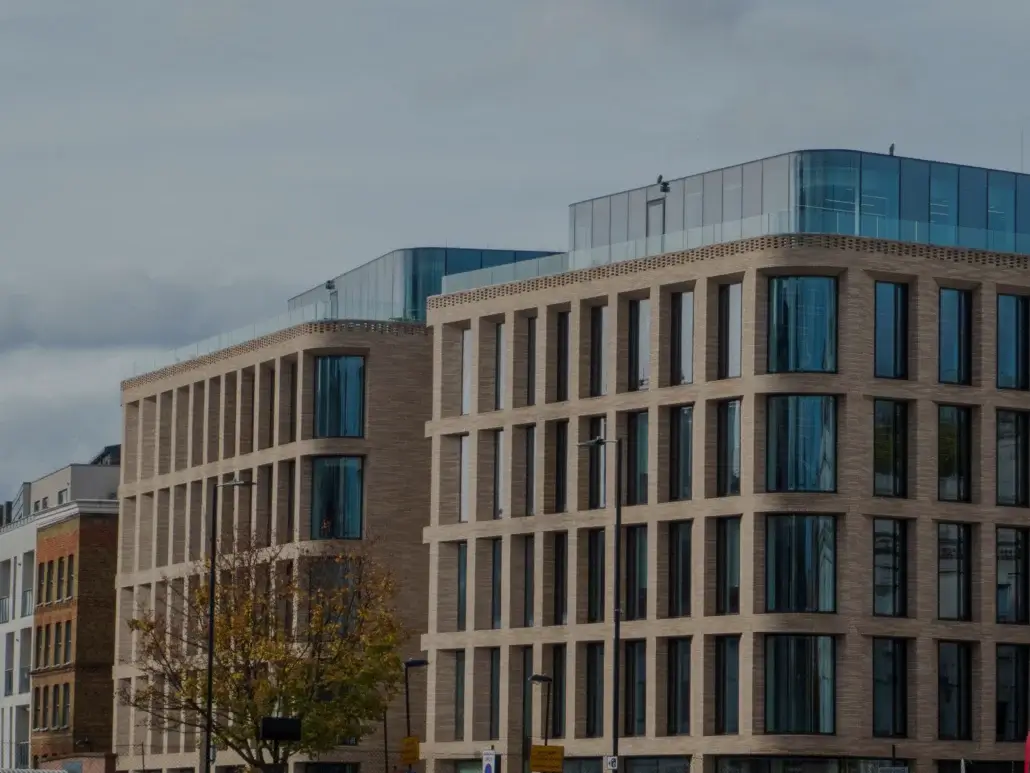
For a storefront or retail building your business occupies. Up to $20MM total project and up to 90% financing (85% special-use), with the SBA debenture fixed for up to 25 years.

$1MM–$15MM, up to 75% of value and 1.35x DSCR, with grocery-anchored centers preferred. Fixed for five years at the 5-Year CMT + 2.00%–3.00%, with no prepayment penalty.
For grocery-anchored centers. $10MM–$30MM at 1-Month Term SOFR + 4.50%–7.00%, up to the lesser of 75% as-is or 70% as-stabilized value. Interest-only for up to 3 years, with annual extension options.
What Lenders Look at on a Retail Loan
Retail loans are underwritten on the tenants as much as the building. Expect questions on these five points.
Tenant Strength and Rent Roll
Conventional retail loans are structured around anchor tenant strength and the rent roll. Send a current rent roll with your application.
Lease Rollover
AVANA aligns loan maturities with lease rollovers. Expect questions on when your major leases expire.
Co-Tenancy Provisions
Co-tenancy provisions are part of underwriting. These lease clauses can let tenants pay less rent or leave if an anchor closes.
Anchor and Tenant Mix
Grocery-anchored and necessity-based centers are favored. Single-tenant retail and owner-occupied storefronts are financed too.
Debt Service Coverage
Conventional retail loans need net operating income of at least 1.35x debt service, compared with 1.25x for most other property types.
How Retail Financing Works
Soft Quote
Send your application. You get a soft quote within 1–2 business days.
Letter of Intent
For Conventional and Bridge deals that fit, a Letter of Intent typically follows within 3–5 business days.
Underwriting
Third-party reports and final credit approval. The appraisal, environmental report and property condition report drive most of the timeline.
Closing
About 30–45 days from a signed LOI for Conventional, about 45 days for Bridge and about 45–75 days for SBA 504.
Why Borrowers Work with AVANA
What You'll Need
At Application
Last year’s tax return or financial statement, plus a trailing 12-month P&L and balance sheet.
During Prescreen
An executive summary or offering memorandum, and an organizational chart, which is required before a Letter of Intent.
Financials
3 years of tax returns or historical financial statements, a T-12 dated within 90 days, a debt schedule and the current rent roll for leased assets.
Each Guarantor
A personal financial statement with a schedule of real estate, a personal debt schedule, a resume and 3 years of personal tax returns.
Improvements and Refinances
Improvements: the scope of work and a budget.
Refinances: the current loan balance and status, prepayment penalty details and your cost basis.
Retail Loans We've Helped Close
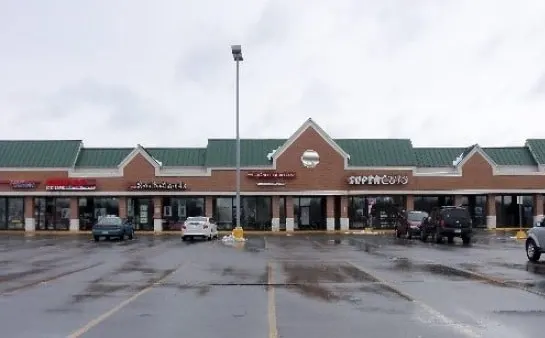
Plaza Acquisition Deal
Acquisition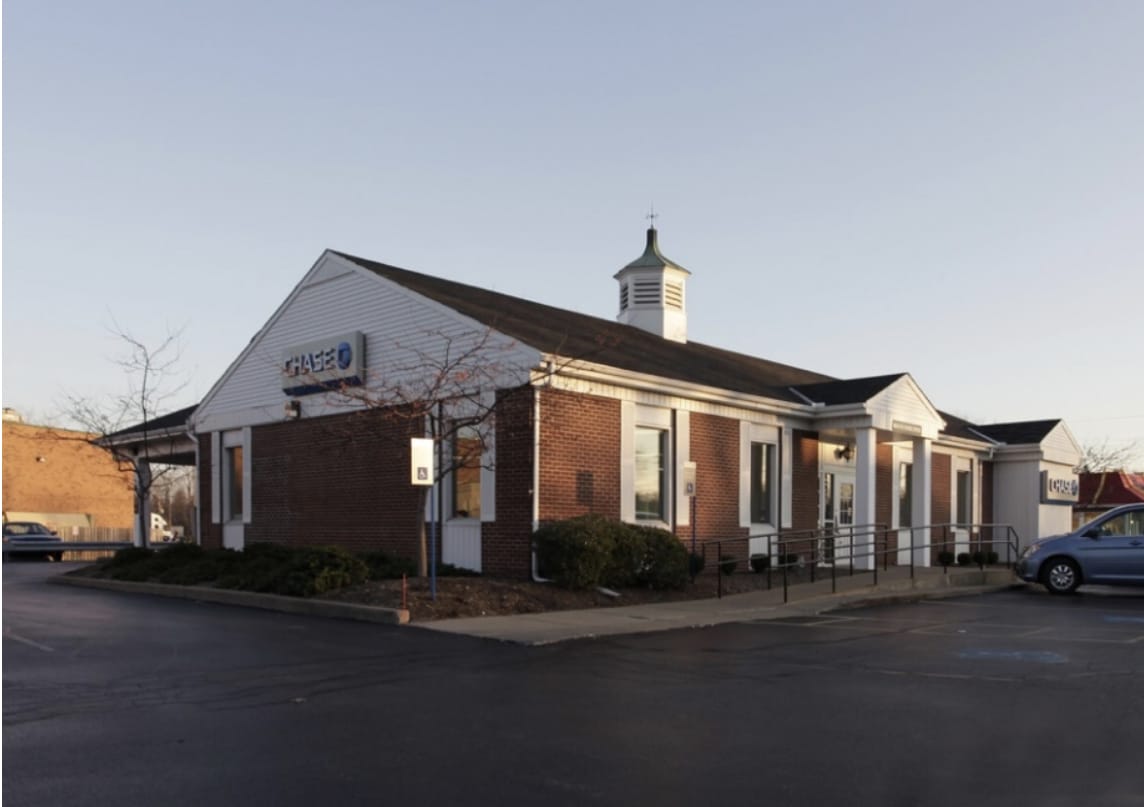
Ohio Retail spaces
Refinance
Multi-Tenant Retail Project
Acquisition
Hotel Refinance Loan
Refinance
Single Tenant Industrial Office
Refinance
Retail Loan FAQs
How much do I need to put down on a retail property?
At least 25% with a conventional loan, which finances up to 75% of value. A bridge loan caps at the lesser of 75% as-is or 70% as-stabilized value.
If your business will occupy at least 51% of the building, SBA 504 needs as little as 10% down. That rises to 15% for startups or special-purpose property, and to 20% if both apply. See how SBA 504, Conventional and Bridge compare on our loan to buy commercial property page.
Does my retail center need a grocery anchor?
No, but grocery-anchored and necessity-based centers are strongly preferred. AVANA also finances single-tenant retail, multi-tenant centers and storefronts your own business occupies.
Conventional retail loans are structured around anchor tenant strength and the rent roll. Expect underwriting to weigh who your tenants are and when their leases roll over.
Can I get a bridge loan to re-tenant a struggling retail center?
Yes, if the center is grocery-anchored and the loan is between $10MM and $30MM. Bridge loans fund retail repositioning, including re-tenanting and curing occupancy issues before permanent financing.
You'll need 5+ years of commercial real estate experience and a documented exit, such as a refinance, a sale or lease-up. Bridge loans are interest-only for up to 3 years, with annual extension options. See every option on our commercial mortgage refinancing page.
What debt service coverage does a retail loan need?
At least 1.35x for a conventional retail loan. Net operating income has to cover the annual loan payments 1.35 times, compared with 1.25x for most other property types.
Conventional retail loans also go up to 75% of value, with 25-year amortization. If your center can't meet that coverage yet, a bridge loan can carry a grocery-anchored center through re-tenanting first.
What if my business only uses part of the retail building?
You can still use SBA 504 if your business occupies at least 51% of the building. You can lease the rest of the space to tenants.
For a refinance, include any leases or the rent roll for the tenanted space. If your business uses less than 51%, a conventional term loan may fit instead, because it has no owner-occupancy requirement.
How do lease expirations affect a retail loan?
They shape the loan's structure. AVANA aligns loan maturities with lease rollovers, so underwriting looks closely at when your major leases expire.
Co-tenancy provisions are reviewed too. Send a current rent roll with your application, so the soft quote reflects your actual tenant mix and lease schedule.
Get a Soft Quote on Your Retail Loan
Tell us the property type, the tenants, the amount you need and your plan for the property. We’ll come back with a soft quote within 1–2 business days.
Our Team

Chief Lending Officer